
Geographic Information Systems (GIS)
The discipline of geography invites us to describe, explore, explain, and evaluate phenomena through a spatial lens. In today’s world, nearly every field in the social, environmental, and applied sciences incorporates a spatial dimension.
The course ENVA-A200 Introduction to GIS/CRIM-X210 Geospatial Crime Analysis, offered by the Department of Criminology & Justice and the Environment Program, is designed to open doors to your professional career, research agenda, and growth as a thoughtful scholar and practitioner.
GIS isn’t just about making maps. It’s about building frameworks for understanding the layered physical, biological, social, economic, or political data that shapes real-world outcomes. In this course, you’ll learn how to visualize geographic information and develop the ability to structure, aggregate, cluster, analyze, and summarize spatial data in meaningful ways.
Above all, GIS is about building transferable, multidisciplinary skills:
- Technical tools (e.g., ArcGIS Pro software, spatial joins, hotspot analysis) that are valued across industries—policy, public health, criminology, urban planning, environmental justice, environmental science, and more.
- Analytical reasoning by learning how to interpret how place and context affect outcomes, spotting patterns in space, and designing interventions or research based on those patterns.
- Communicating spatial narratives that transform data into maps and stories that influence decision-making, engage stakeholders, and generate meaningful community impact.
Whether you’re aiming to pursue research, work in a governmental or non-profit role, or bring spatial intelligence into an organizational setting, this course gives you the foundation. In short: if you want to understand where, why, and how things happen in space, and you value a skill set you can apply broadly, this is the course for you!
Join us and turn place-based insight into your next advantage!
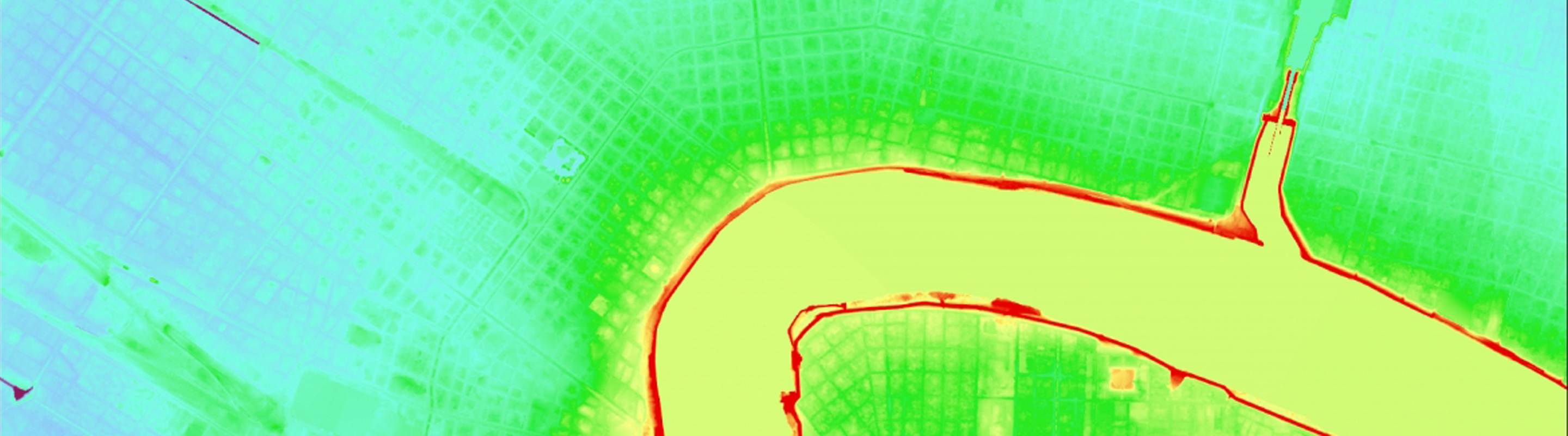
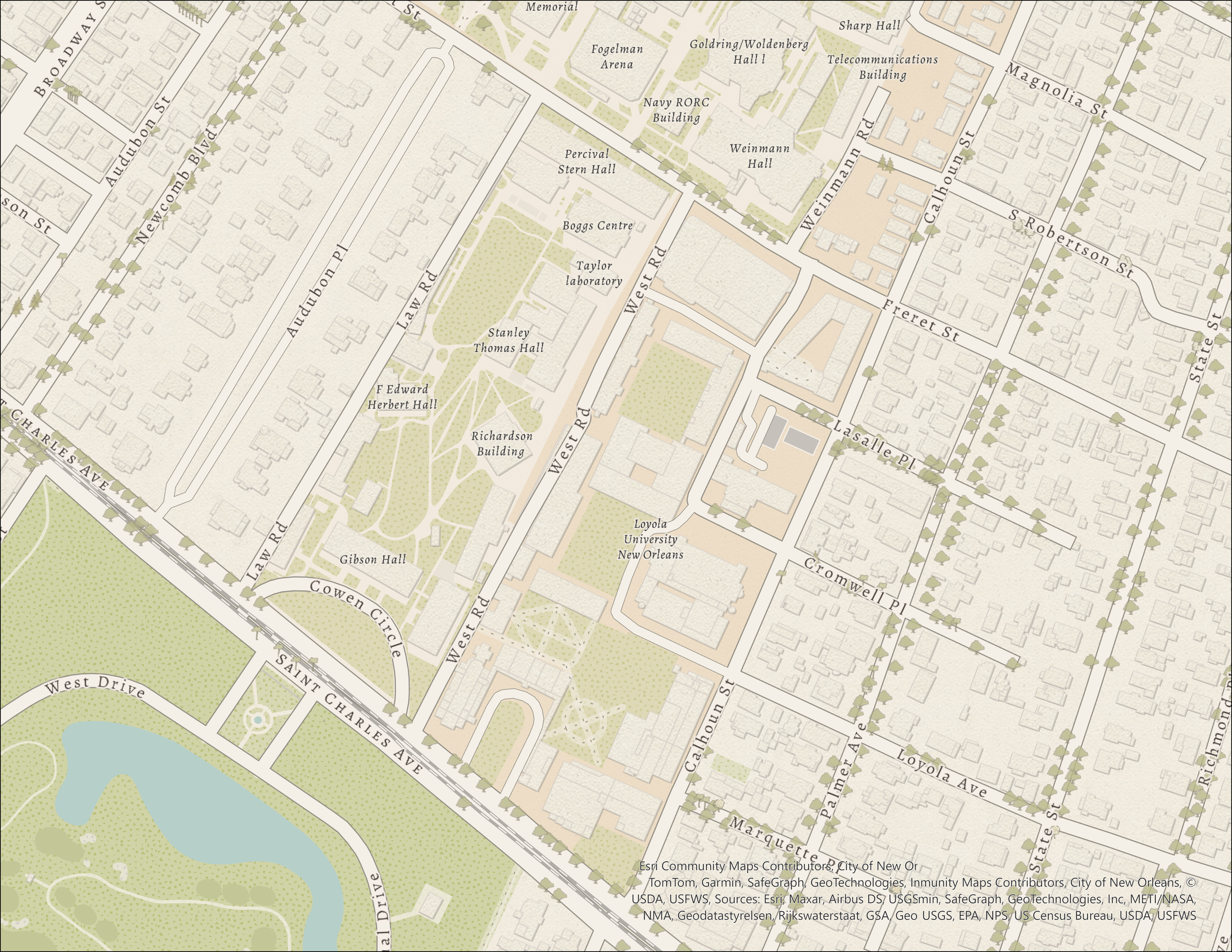
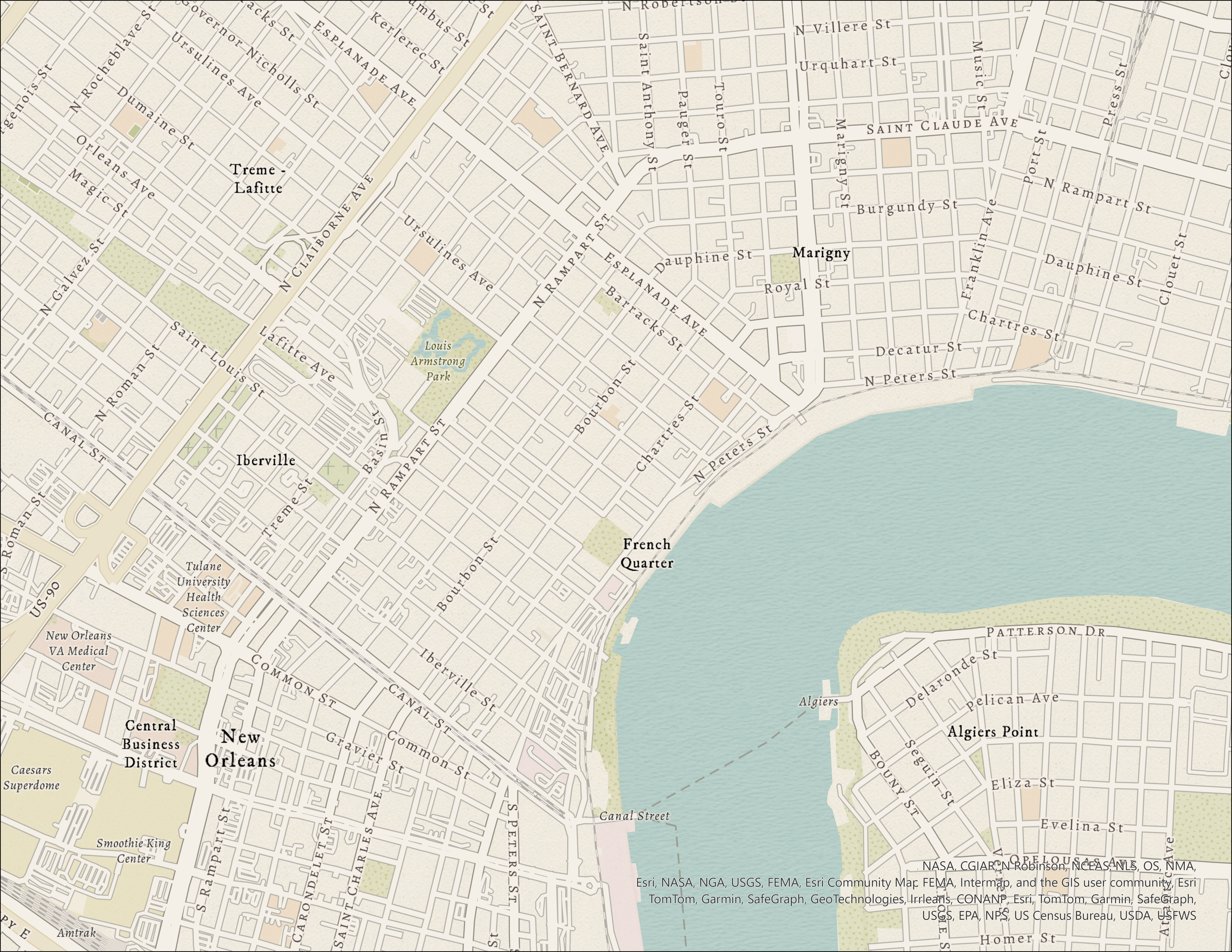
Sample work conducted by Dr. Christopher E. Torres and student Abigail Tamburello.
For more info, contact Dr. Christoper Torres at cetorres@loyno.edu.